Most Requested Presentations
Resilience, Resistance, and Making a Difference: Guidance for Living and Loving in Community through Difficult Times
This is a new and timely keynote that is being very well received. These are trying times for people with disabilities, their families, and the human service agencies and providers who serve them. This presentation will focus on what unites us and gives us power to bounce back and resist by virtue of being in community with each other. We stand on the shoulders of those who have come before us in the struggle for civil rights and disability rights. The time is now to make a difference for those who are counting on us for their human rights to live healthy, safe, and full lives.
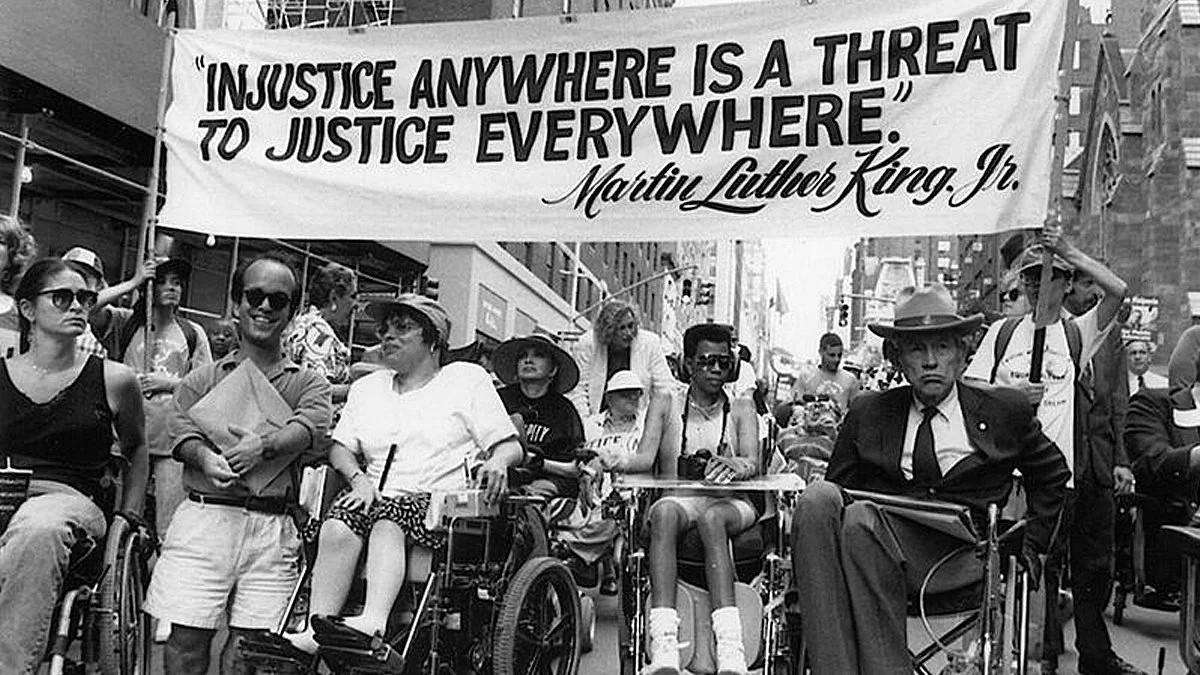
Disability Pride Parade New York City.
Autism In The Family: Acceptance as a Developmental Process
Autism poses challenges for the entire family, requiring them to consider everyone’s needs. The ongoing stress can be overwhelming, but this presentation offers valuable strategies for both immediate and extended family members. Acceptance doesn’t equate to surrender; it’s about striving to meet the family’s needs while seeking a delicate balance. Acceptance and resilience are closely intertwined as an ever evolving developmental process through the lifespan.
Involved Fathers Make a Difference: Support and Insight for Fathers
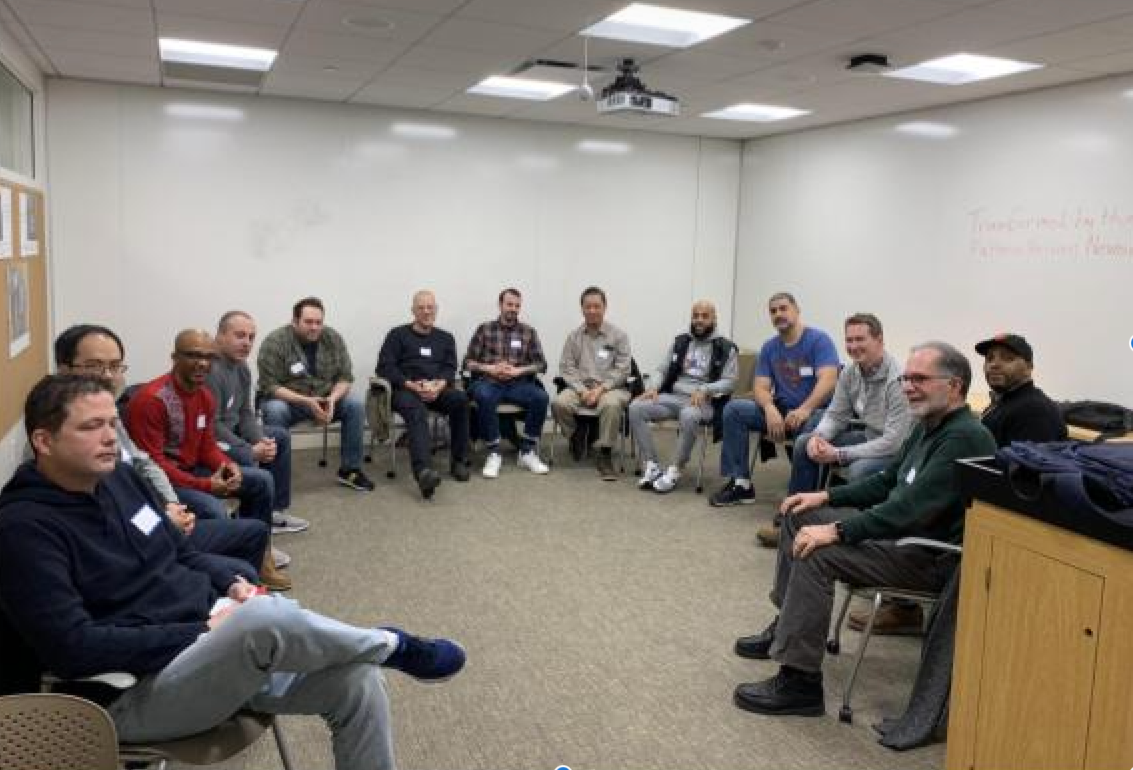
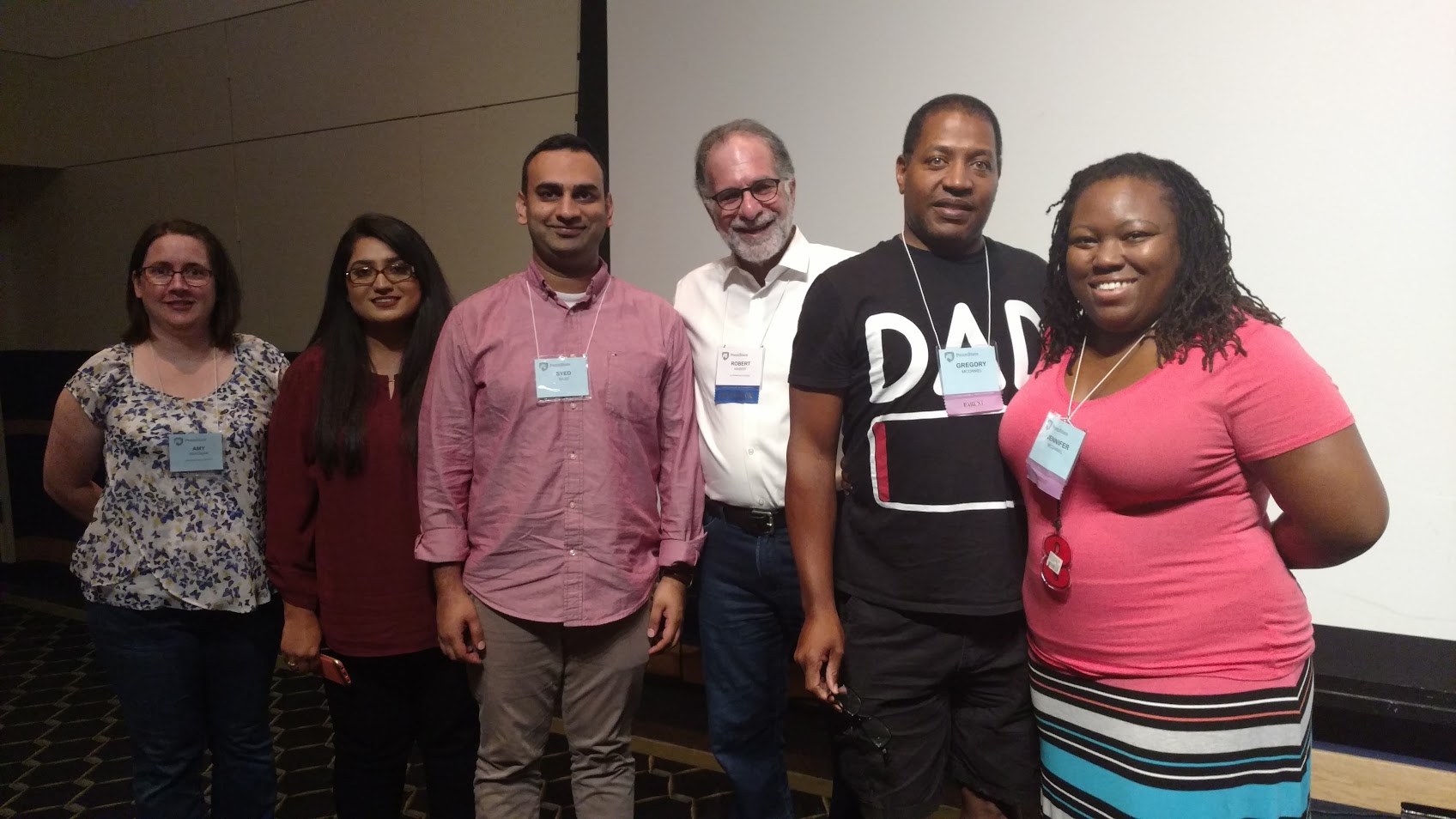
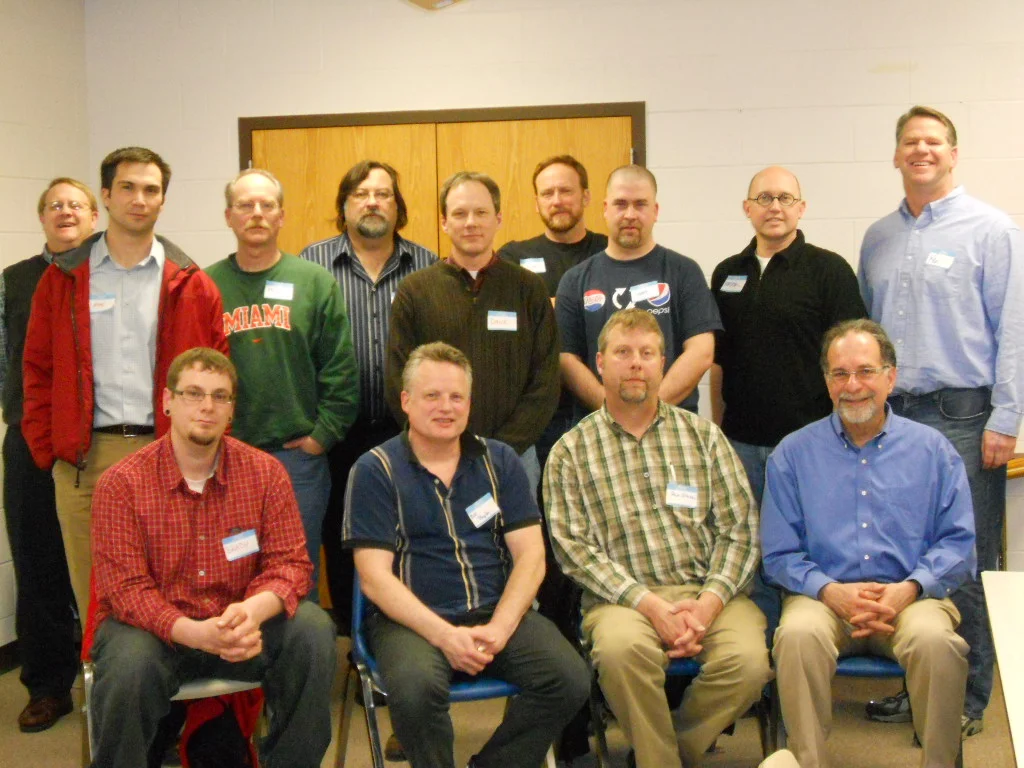
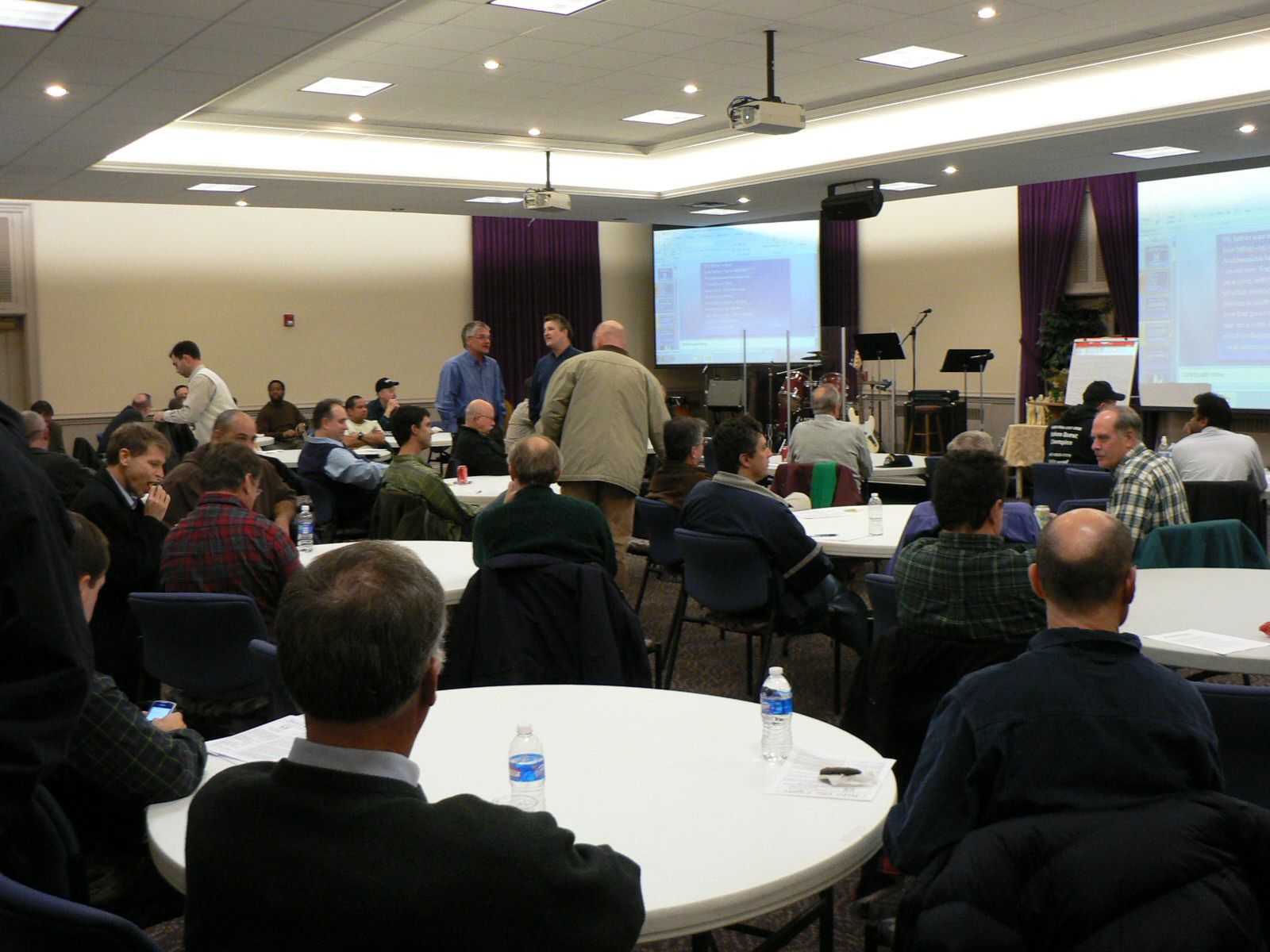
Fathers Support Group, Drexel Autism Institute, September 2019, and still neeting mothly by Zoom.
This presentation delves into the unique perspective that men bring to parenting a child with autism. It emphasizes recent research on the impact fathers have on their children and partners. Dr. Naseef, as the father of an adult child with autism, offers compassion and understanding while shedding light on the challenges men face and providing insights into nurturing the father-child relationship. The presentation aims to promote father involvement and support, as well as provide valuable perspectives on the family dynamics. It can be tailored for delivery to fathers and father figures, or to a mixed audience of parents and professionals.
Neurodivergence in Autism: Insights and Interventions

Neurodiversity is not just another form of human diversity. It is a biological fact and a natural part of human evolution. There is no “normal” or “right” brain. There are diverse forms of processing social information, cognitions, and sensory information. In the same way that there isn’t a “right” gender, race, class, or sexual orientation, there isn’t a “right” way for the brain to be wired. Neurodiversity can be a powerful asset for families and societies. Like other minority groups, neurodivergent individuals experience imbalanced social dynamics and unequal power distribution, including unequal distribution of social power, limited social-cultural representation (or stereotyped representation), and difficulty navigating environments designed for neurotypicals.
Embracing Neurodiversity in the Family
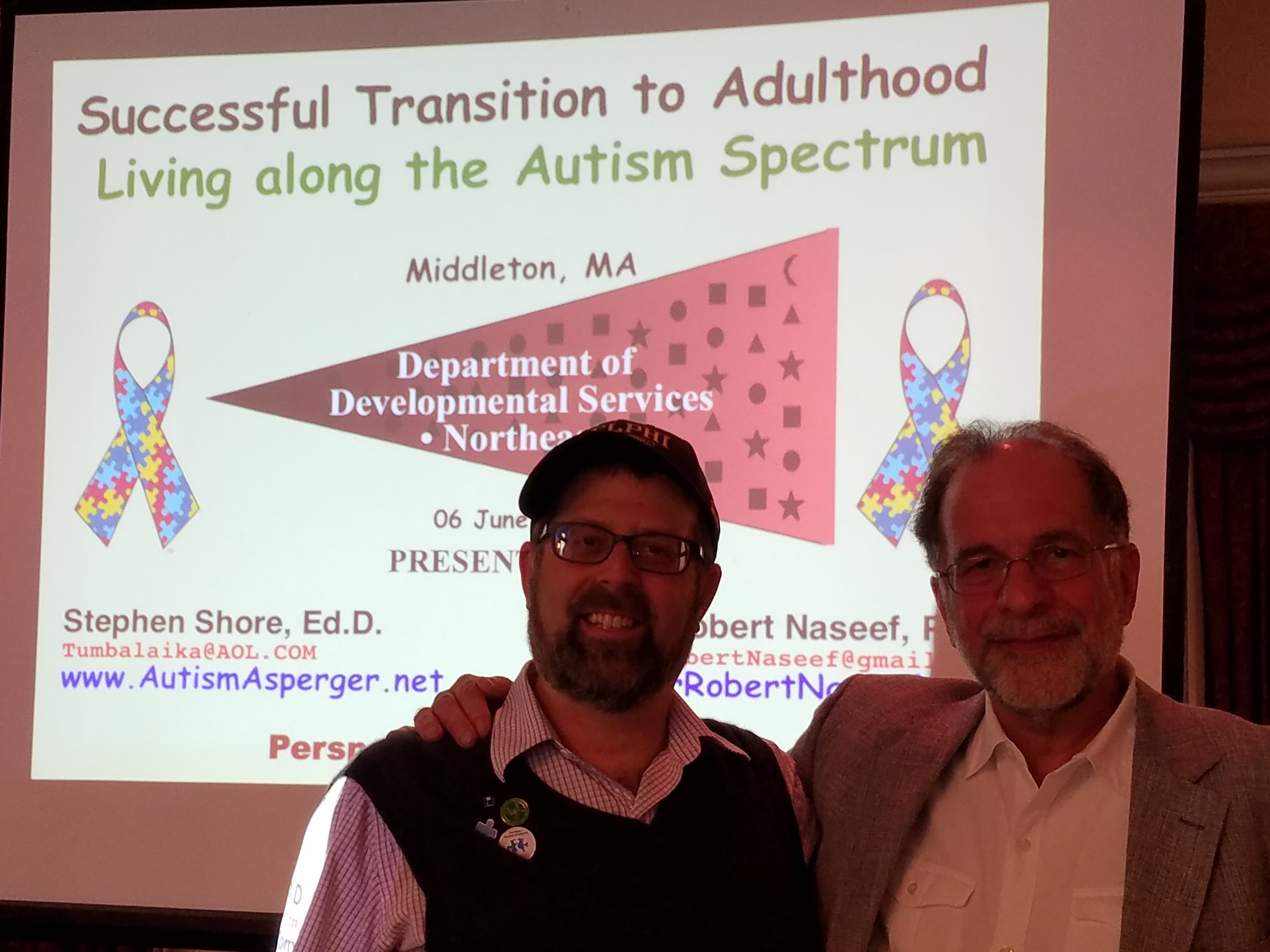
Stephen Shore, an Autistic Professor of Special Education, and Dr. Robert Naseef, a clinical psychologist and parent, combine their insights to teach in a unique way. As two individuals whose lives have been deeply impacted by Autism, they discuss the benefits and challenges of neurodivergence in the family. They discuss a wide range of conditions, including autism, ADHD, dyslexia, and others. The concept of neurodiversity recognizes that these characteristics of being neurodivergent are not deficits but rather variations in the human condition which can result in disabilities based on the environment and social norms.
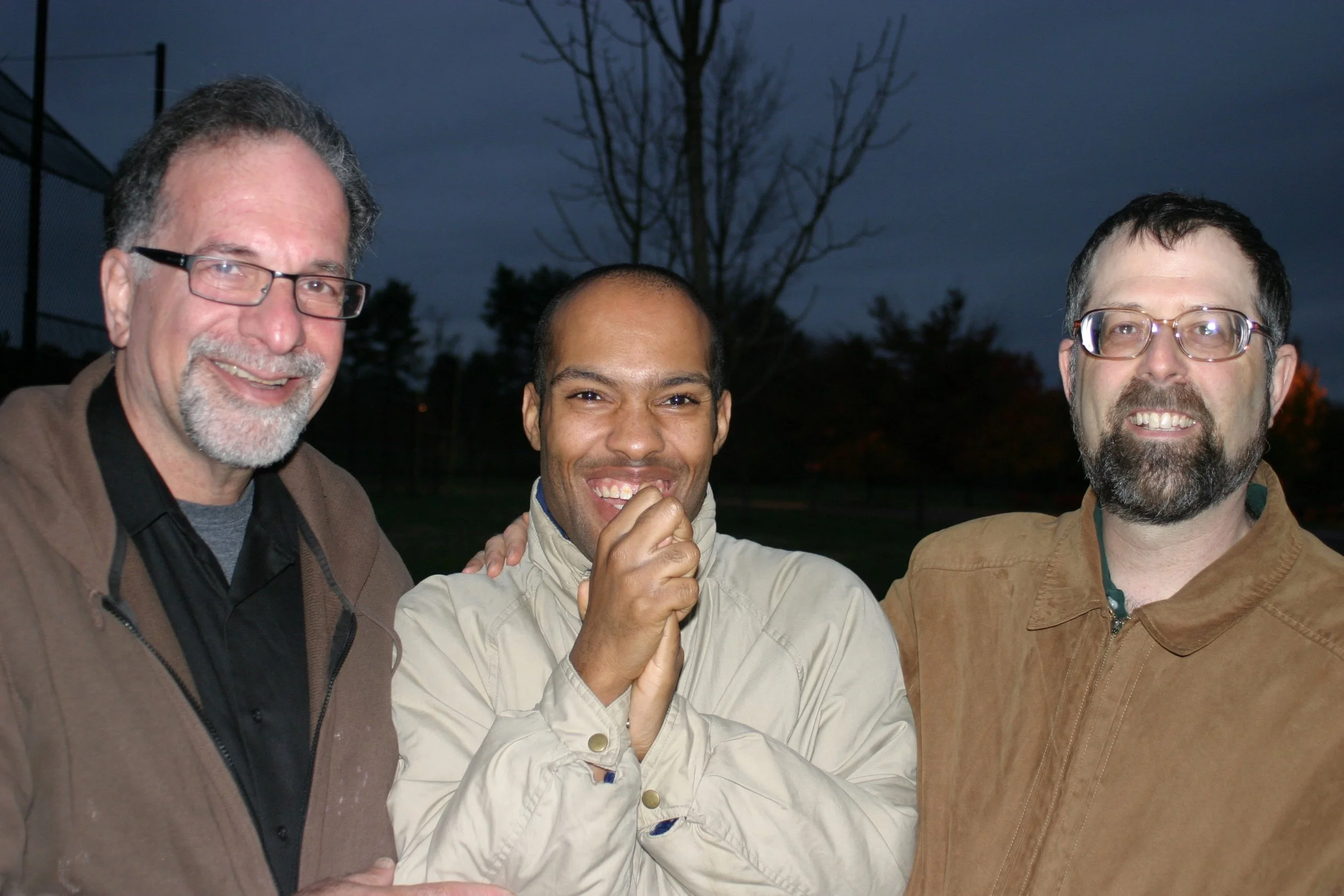
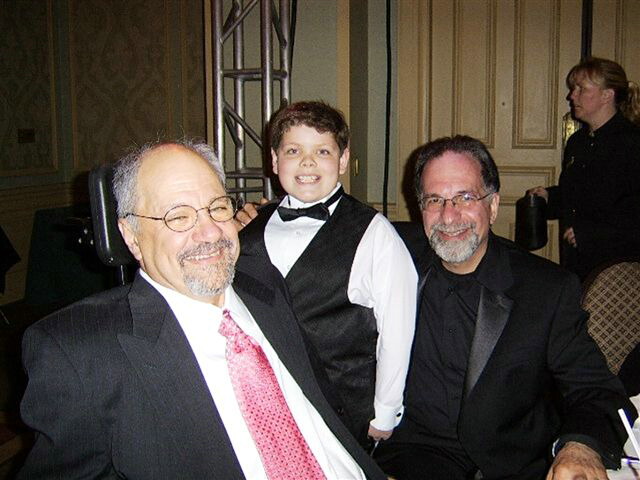
With my son, Tariq, and stephen Shore.
Families play a crucial role in supporting and embracing neurodivergent children and adults, who may even be diagnosed after their children are identified. Some key aspects of fostering a neurodiversity-affirming family environment include: Acceptance and Understanding, Open Communication, Individualized Support, and Celebration of Differences.
Autism And Marriage: Coping Strategies For Relationship
This presentation examines the different perspectives that men and women bring to parenting a child with autism or other special needs. It guides couples to listen and understand each other in new ways—and work together to strengthen their relationship. Neurodiverse couples and perspectives are also included.
Special Children, Challenged Parents, Caring Professionals: Building Partnerships
Because he has a foot in both worlds as a clinical psychologist and as a parent, Dr. Naseef brings insight into strengthening the parent-professional relationship. Drawing In this presentation, he guides professionals and parents in learning strategies to navigate and manage the emotional and developmental challenges both special children and parents may encounter.
Surfing The Stress And Keeping Your Balance: When Caring for an Autistic Family Member
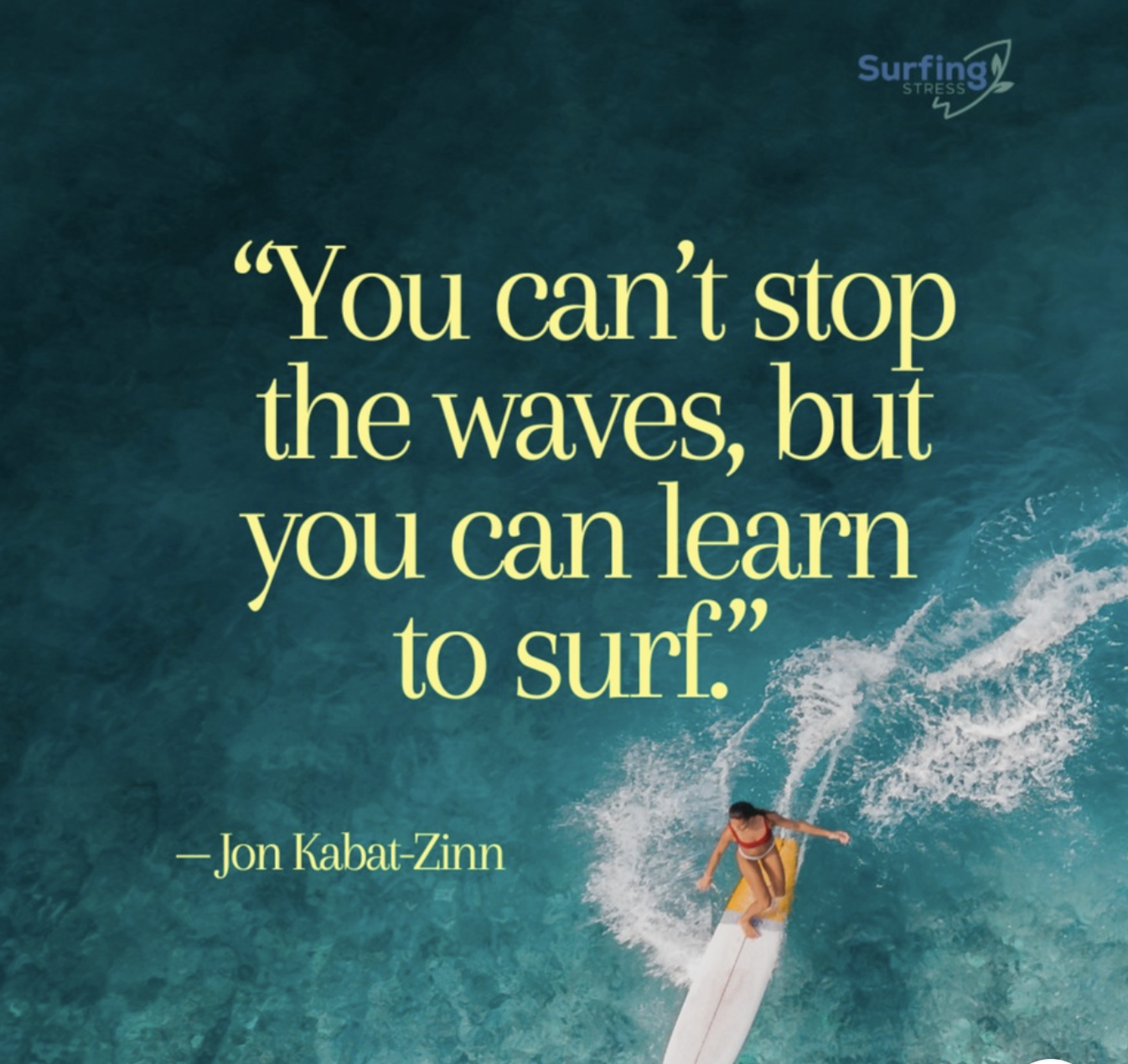
Stressed out? Dr. Naseef presents basic stress reduction techniques and explains the emotional impact that caring for an autistic of otherwise neurodivergent family member. Participants will learn how to identify stressors, identify thoughts and feelings, understand options, and improve coping skills.
Presentations may include keynotes, breakout sessions, half and full day workshops.